
NYYC Spring 2026 Cover
April 27, 2026
2026 LEITER CUP AND JOEL WHITE MEMORIAL AWARDS
September 16, 2026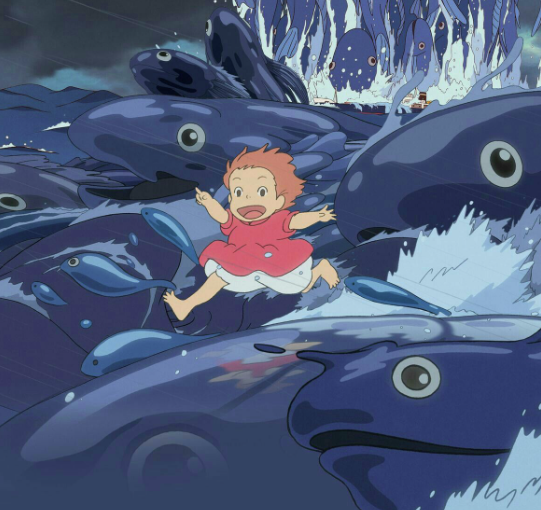
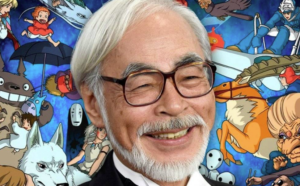
Hayao Miyazaki is a legendary Japanese animator known for imaginative worlds, emotional depth, and hand‑drawn artistry. As co‑founder of Studio Ghibli, he created classics like Spirited Away, My Neighbor Totoro, and Princess Mononoke. His films blend fantasy with themes of nature, courage, and compassion, often featuring strong young protagonists. Miyazaki’s visual style—lush landscapes, expressive characters, and dreamlike flight—has influenced animators worldwide. Even in his 80s, he continues creating, most recently with The Boy and the Heron. His work endures because it speaks to universal human emotions and celebrates imagination as a vital force.
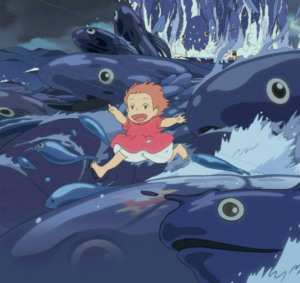
Hayao Miyazaki’s creative spirit reaches one of its warmest, most playful expressions in Ponyo, the 2008 hand‑drawn film that celebrates childhood wonder and the living energy of the sea. Ponyo, a goldfish who longs to become human, reflects Miyazaki’s fascination with transformation, innocence, and the boundary between nature and humanity. Her exuberance—bursting with curiosity and joy—embodies the qualities Miyazaki sees in children, while Sosuke represents the steadiness and kindness that often anchor his young protagonists.
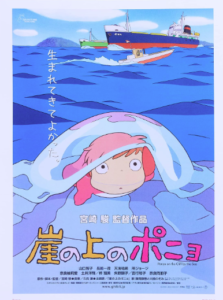
Miyazaki created Ponyo during a period of reflection on environmental fragility, weaving themes of ocean health, balance, and respect for the natural world into a gentle, uplifting narrative. The film’s animation, drawn entirely by hand, showcases his devotion to traditional artistry: swirling waves, expressive sea creatures, and soft pastel landscapes create a world that feels both magical and deeply human.
Together, Miyazaki and Ponyo illustrate his belief that imagination can heal, connect, and illuminate everyday life—reminding viewers that wonder is a force capable of reshaping the world.
Hayao Miyazaki’s storytelling reaches its most tender, dreamlike expression in Ponyo, his 2008 film about a goldfish who longs to become human. The movie reflects Miyazaki’s lifelong fascination with the sea, childhood innocence, and the fragile balance between nature and humanity. Ponyo herself embodies the exuberance he sees in children—curious, impulsive, and full of wonder—while Sosuke represents the quiet bravery and kindness that often anchor Miyazaki’s young protagonists. The film’s hand‑drawn animation, especially its swirling ocean and expressive creatures, showcases Miyazaki’s commitment to traditional artistry. He created Ponyo during a period of reflection on environmental stewardship, weaving themes of respect for the natural world into a warm, playful narrative. Together, Miyazaki and Ponyo illustrate his belief that imagination can heal, connect, and illuminate the beauty of everyday life.